
Hospitality Architect Atlanta: Designing Places People Actually Want to Spend Time In
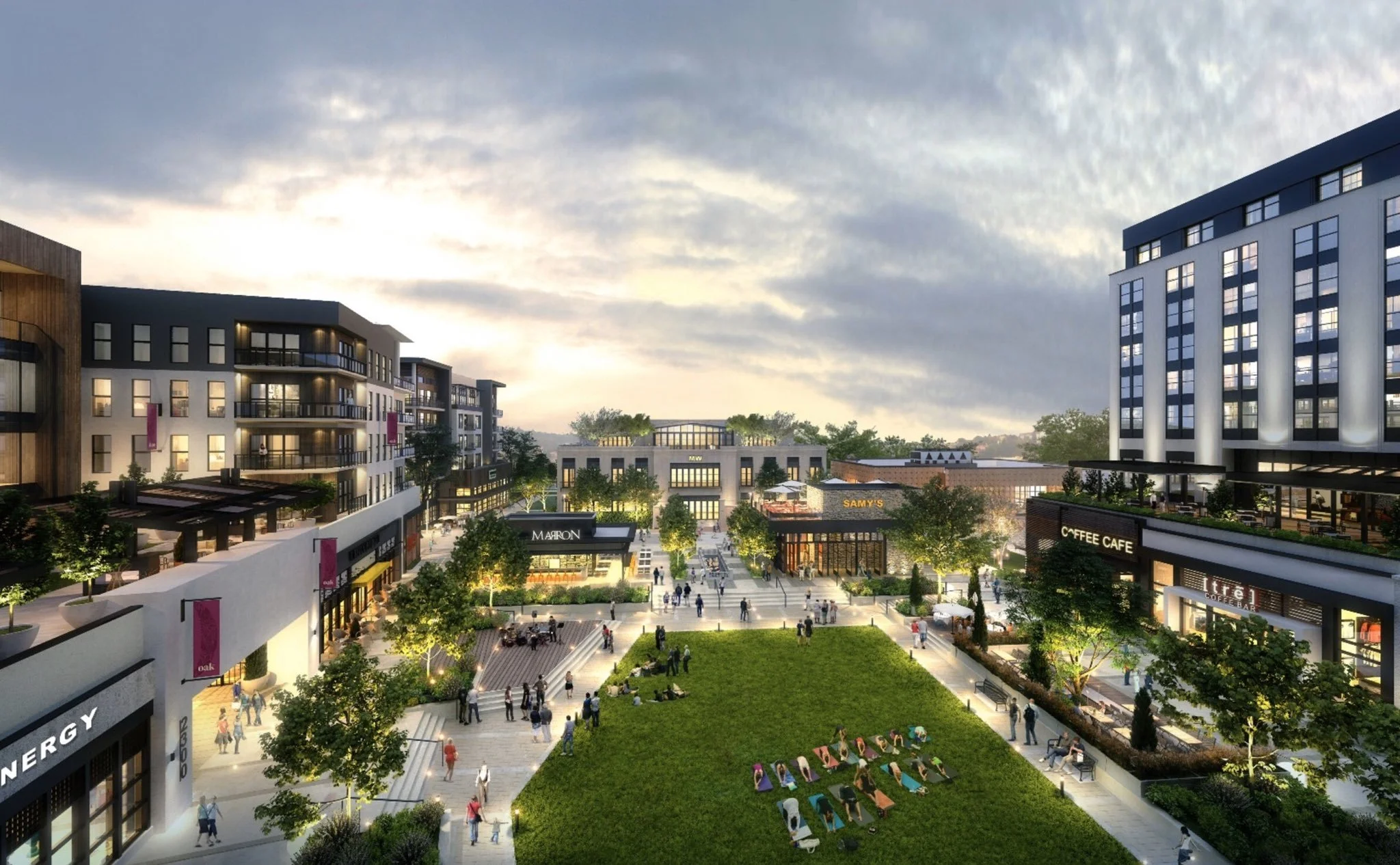
A hospitality architect in Atlanta has a slightly different job than someone designing a generic commercial interior.
People do not simply occupy hospitality spaces.
They experience them.
They arrive. They look around. They find a seat. They order something. They move through the space. They decide if they want to stay longer.
The design influences all of it.
Lupo Group's hospitality work includes restaurants, bars, and experiential spaces throughout Atlanta. Its portfolio includes Brush, Lucky Star, Muchacho, and Eastside Swim & Social. (Lupo Group)
Hospitality Design Starts With the Experience
Before choosing materials, figure out what you want people to feel.
Is it energetic?
Intimate?
Casual?
Polished?
Unexpected?
A hospitality space needs a point of view.
That does not mean every wall needs to make a statement. In fact, the strongest spaces often know when to quiet down.
The design should support the experience rather than compete with it.
The Operator Matters as Much as the Guest
A hospitality space has two audiences.
The customer.
And the people trying to run the business.
A beautiful bar that creates terrible service flow is not a successful design.
A restaurant with great seating but inadequate storage has a problem.
A space that photographs beautifully but cannot handle a Saturday night has a problem.
The architecture needs to support the business behind the experience.
Existing Spaces Can Be Worth More Than a Blank Canvas
There is something useful about working with a building that already has a story.
Eastside Swim & Social is a 1,500-square-foot bar in an old garage, designed as an urban oasis for private events and upscale drinks. Lupo provided third-party client representation for the project. (Lupo Group)
That is a very different starting point from a new construction project.
And sometimes that is exactly the point.
The quirks of an existing building can become part of what makes the finished space memorable.
Hospitality Architecture Has to Handle Change
Restaurants change.
Bars change.
Operators change.
Markets change.
Lucky Star's evolution from a planned speakeasy into a cocktail-forward sushi lounge is a good example of how quickly a concept can shift. Lupo helped manage the redesign, permitting, and construction administration required to keep the project moving. (Lupo Group)
A rigid process does not help much here.
You need enough structure to keep things moving and enough flexibility to respond when the project takes a turn.
Atlanta Hospitality Needs to Feel Like Atlanta
Local character matters.
That does not mean putting a peach somewhere and calling it done.
Atlanta has distinct neighborhoods, development patterns, building types, and customer expectations.
Lupo's Atlanta-based team brings local knowledge to projects across the city. The firm's architectural designer, Sheila Nash, has extensive Atlanta placemaking experience and has worked across adaptive reuse, interiors, and other design environments. (Lupo Group)
The goal is not to make every project look the same.
It is to make the right project for the right place.
Good Hospitality Architecture Gets Out of the Way
The best hospitality spaces often feel natural.
You know where to go.
You know where to sit.
The bar works.
The lighting makes sense.
The room has energy.
The staff can do their jobs.
And you don't spend your evening thinking about the floor plan.
That is the trick.
The architecture does a lot of work without asking for credit.
Planning a Hospitality Project?
If you are opening, renovating, or repositioning a hospitality space in Atlanta, tell Lupo what you're planning.